In which I share my experience at the United Nations' Open Source Week, discussing the critical issues around digital sovereignty and open source discourse. I'm a little disappointed that discussions focus on the localization of technology rather than addressing fundamental questions about privacy and human rights. Please don't view sovereignty purely as a geopolitical power play - this could lead to exploitation under the guise of nationalism. I'm calling for a definition of human rights in technology and urge that meaningful outcomes should take precedence over mere geographic considerations.

Tag: ai
Open Source in a Post-Agentic World
The technology sector is currently experiencing significant anxiety reminiscent of the dot-com crash, driven by fears over job security and the impact of autonomous coding tools. While many speculate about the potential decline of open source, it is posited that it will transform rather than end, emphasizing collaboration and changing the role of developers amidst various societal costs and challenges.
The New Open Source Playbook – Products and Customers in an Agentic Engineering World
The article discusses how businesses can leverage open source innovation while maintaining profitability. It emphasizes the importance of platforms and multi-layered product strategies, including free and paid offerings. The text advises on the significance of intellectual property protection and adapting to emerging agentic engineering to thrive in evolving competitive landscapes.
Open Source is About to Undergo Substantial Change
Open source communities are facing an existential crisis as AI and agentic systems reshape the landscape. With code generation tools flooding the market, traditional notions of value and collaboration are crumbling. If we fail to adapt our governance models, we risk empowering monopolistic forces that threaten the very essence of open source innovation.
Open Source, AI, and the Global War on Fascism
The author reflects on the trajectory of open source amidst the rise of geopolitical tensions and authoritarian regimes. Initially thriving as a collaborative movement, open source now faces threats from nation-state actors exploiting its communities. Urging for transparency in data and AI models, the author calls for organizations to adapt to these urgent realities.
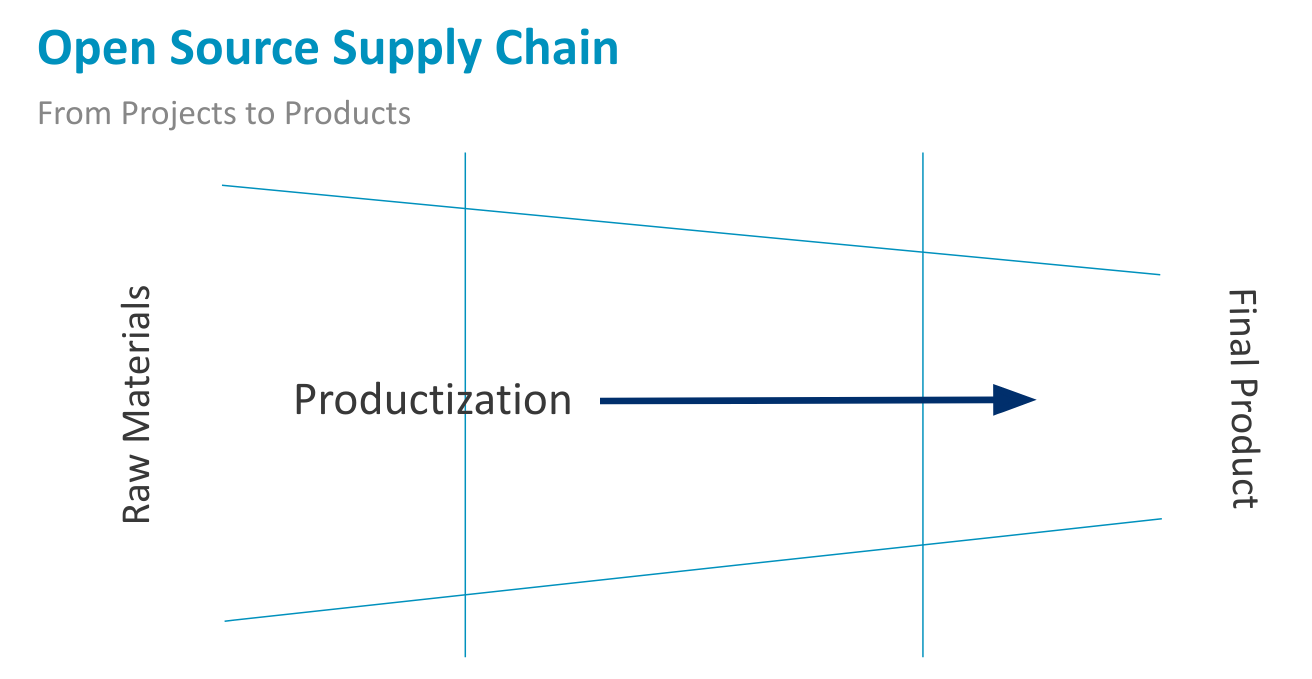
AI Native and the Open Source Supply Chain
I recently wrote 2 essays on the subject of AI Native Automation over on the AINT blog. The gist of them is simple: AI Native platforms are about to disrupt - and maybe disembowel - what we know today as devops AI Native platforms are about to dramatically increase the scope of open source ecosystems… Continue reading AI Native and the Open Source Supply Chain